Introduction
Procrastination is one of the most common challenges faced by students and professionals alike. It is the habit of delaying tasks despite knowing their importance. While it may seem harmless at first, procrastination can lead to stress, missed deadlines, and reduced productivity. Overcoming it requires awareness, discipline, and practical strategies that can be applied in daily life.
Understanding Procrastination
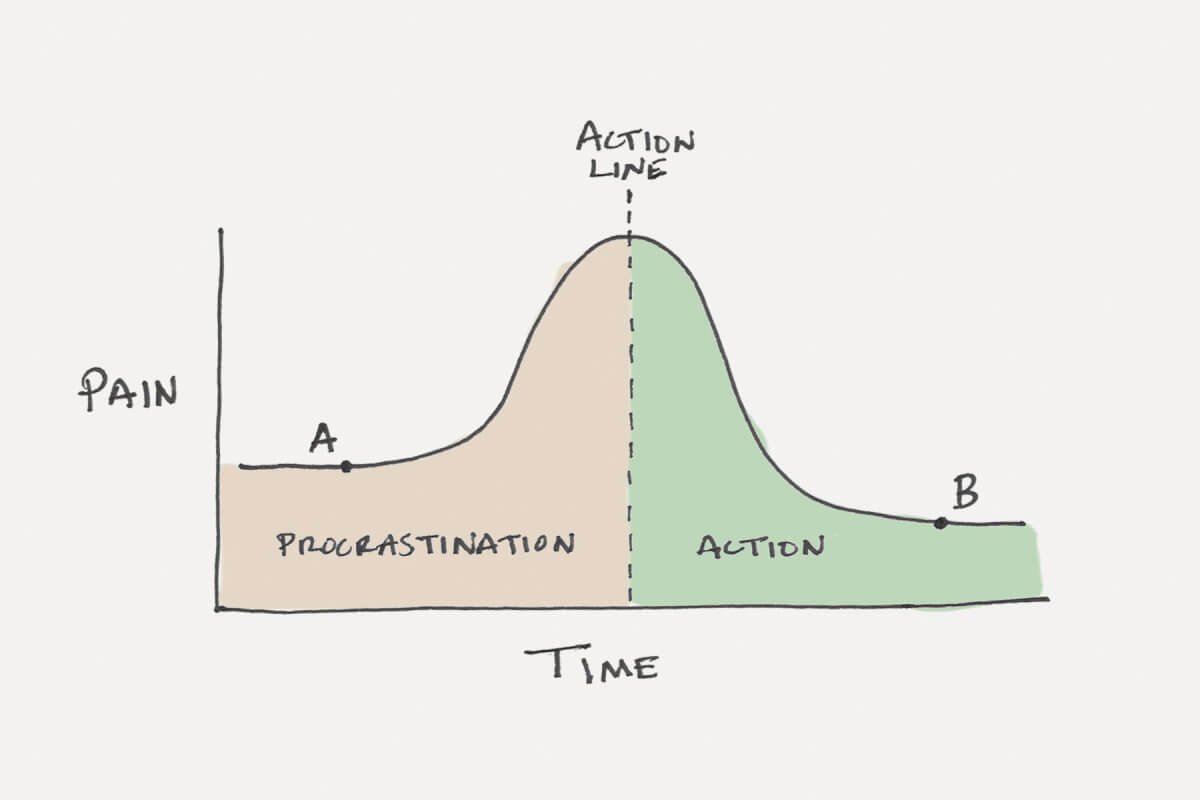
Procrastination is not simply laziness; it is often linked to fear of failure, lack of motivation, or feeling overwhelmed by tasks. When a task appears too difficult or time-consuming, people tend to avoid it and choose more comfortable or enjoyable activities instead.
Effects of Procrastination
- Increased Stress: Last-minute work creates unnecessary pressure.
- Poor Performance: Rushed tasks often lack quality.
- Missed Opportunities: Delays can lead to lost chances in academics or career.
- Low Confidence: Repeated procrastination can affect self-esteem.
Practical Strategies to Overcome Procrastination
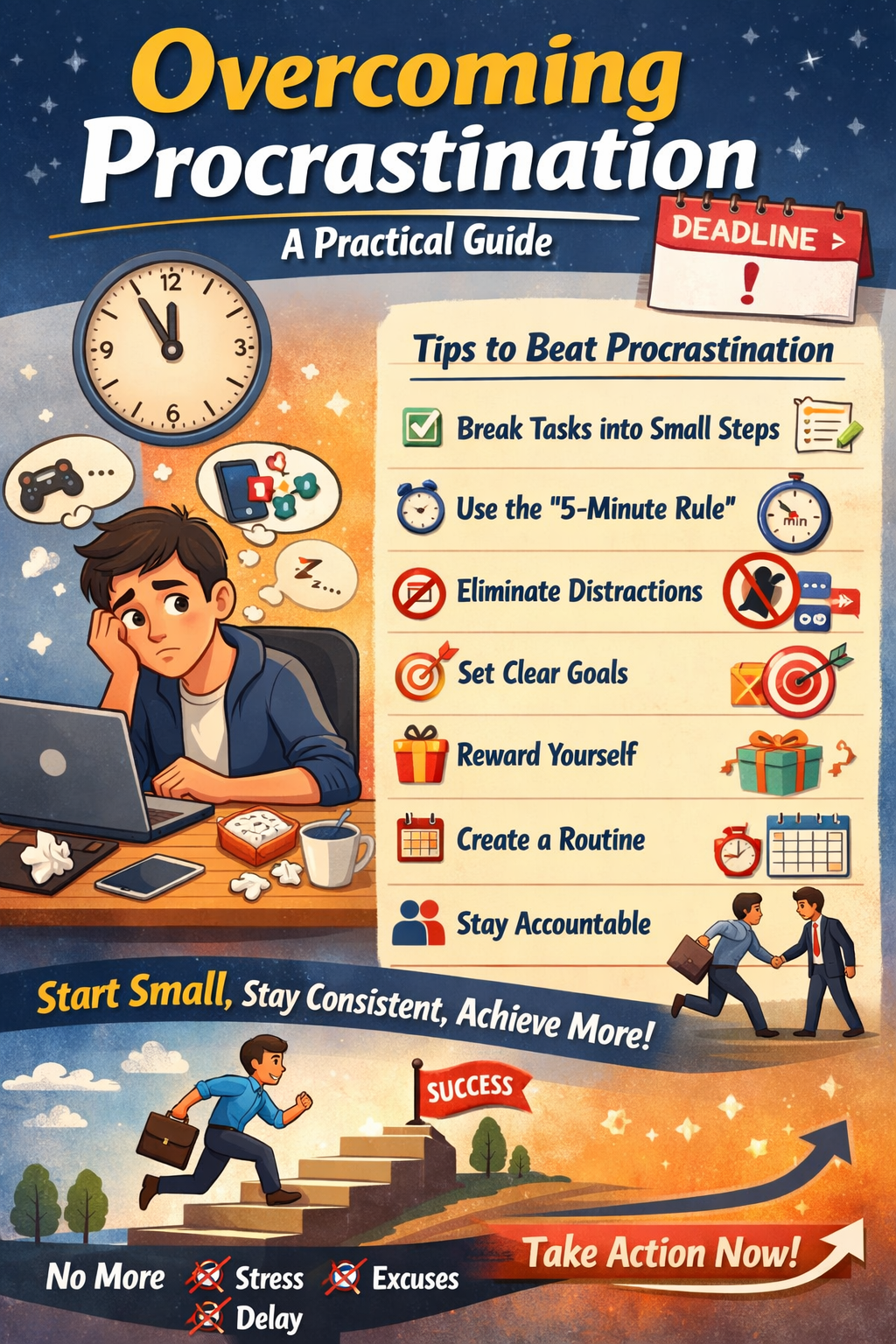
1. Break Tasks into Smaller Steps
Large tasks can feel overwhelming. Divide them into smaller, manageable parts to make them easier to start and complete.
2. Set Clear Goals
Define what you want to achieve and set realistic deadlines. Clear goals provide direction and motivation.
3. Use the “5-Minute Rule”
Commit to working on a task for just five minutes. Once you start, it becomes easier to continue.
4. Eliminate Distractions
Identify and reduce distractions such as mobile phones or social media while working. A focused environment increases productivity.
5. Create a Routine
Having a fixed schedule for studying or working builds discipline and reduces the tendency to delay tasks.
6. Reward Yourself
Give yourself small rewards after completing tasks. This creates a positive association with productivity.
7. Stay Accountable
Share your goals with a friend, mentor, or family member. Accountability helps you stay on track.
Why Consistency Matters
Overcoming procrastination is not about sudden change but about consistent effort. Small, regular actions lead to long-term improvement. Developing discipline and maintaining a positive mindset are key to breaking the habit.
Conclusion
Procrastination can be a major obstacle, but it is not impossible to overcome. By understanding its causes and applying practical strategies, anyone can improve productivity and achieve their goals. The key lies in taking the first step, staying consistent, and believing in one’s ability to change. Success comes not from waiting for the perfect moment, but from making the most of the present.